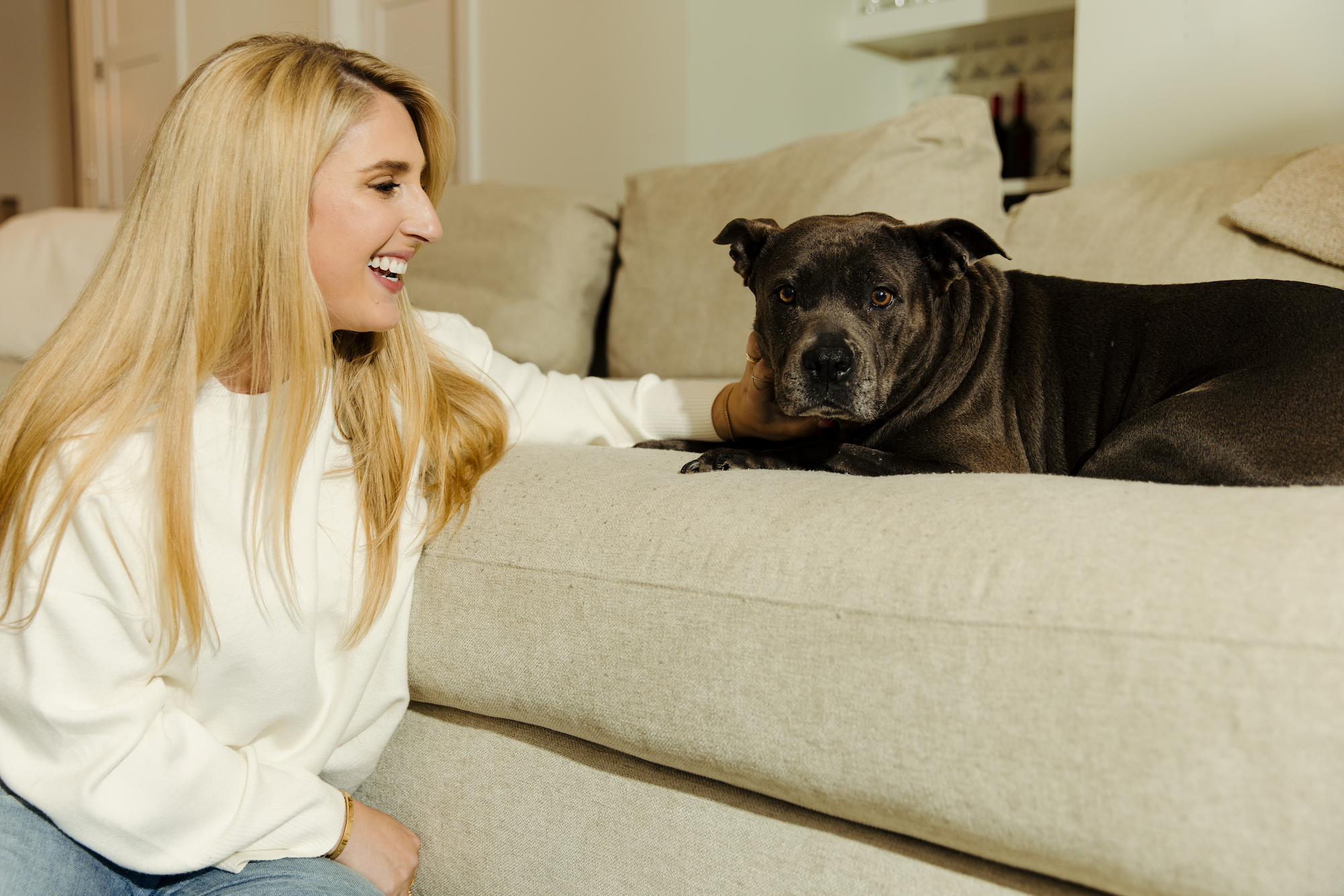
Therapist. Millennial. Dog Mom.
How I work
Present, focused, and genuinely in it with you
Most people in your life are doing their best, but their bandwidth has limits. Mine doesn't — not for you, not in here.
I'll pay attention in a way that's hard to find outside a therapy room. I'll notice the thing you glossed over, connect what you said six weeks ago to what you're describing right now, and put language to something you've been struggling to name. I'll sit in the discomfort with you instead of rushing past it. And I'll offer perspectives and options you can't see from where you're standing, not to tell you what to do, but to open up what's available. You decide what fits.
When you consistently have that space, you'll start interrupting patterns by making decisions from your values instead of fear, obligation, or habit. You'll have the conversations you've been avoiding. You'll get better at knowing what you need and asking for it.
Sessions have a particular combination of depth and ease. We might start with dissecting a group chat and end up talking about your dad, sometimes within the same hour. What stays constant is this: you will never be too much for me. Too emotional, too irrational, too sensitive. I can hold all of it. And when things start to shift, I'll be the first to notice and celebrate it with you.

The specifics
Details
Your responses make sense
The way you love, the way you communicate, the way you respond to stress is learned. Your nervous system adapted to protect you, and it did its job. Trauma-informed care means we start there: with respect for what your body and mind have been carrying.
We go at your pace. Safety isn't assumed. It's built. Nothing here moves faster than you're ready for.
You can't change the past, but becoming aware of its impact is how you start to change the present and future.
How I run my practice
I keep my caseload small and work exclusively with self-pay clients. Both are deliberate choices that let me show up fully for the people I work with.
I recognize this is a financial, emotional, and time investment and treat it as such. That means consistently asking for feedback so you're always getting what you came for.
What the acronyms actually mean
ACT. IFS. EFT. Attachment-based. Person-centered. Psychodynamic.
I'm not trying to help you feel less. I'm trying to help you get better at feeling. We figure out what actually matters to you, understand where your patterns came from, and build your capacity to move toward the life you want even when it's uncomfortable. The relationship we build in the room is part of the work itself, not just a vehicle for it.
For couples, I pull from EFT and Gottman. EFT is about understanding the dynamic you keep getting stuck in and how to interrupt it. Gottman is about building on friendship and mutual vision by focusing on the mechanisms of communication, repair, and trust.
Training & licensure
LMHC, Washington State
License #MHC.LH.61643059
M.A. Clinical Mental Health Counseling, Northwestern University
B.A. Psychology, Southern Methodist University
Additional training: Gottman Level 1, Neurobiology of Trauma, Adult Children of Emotionally Immature Parents

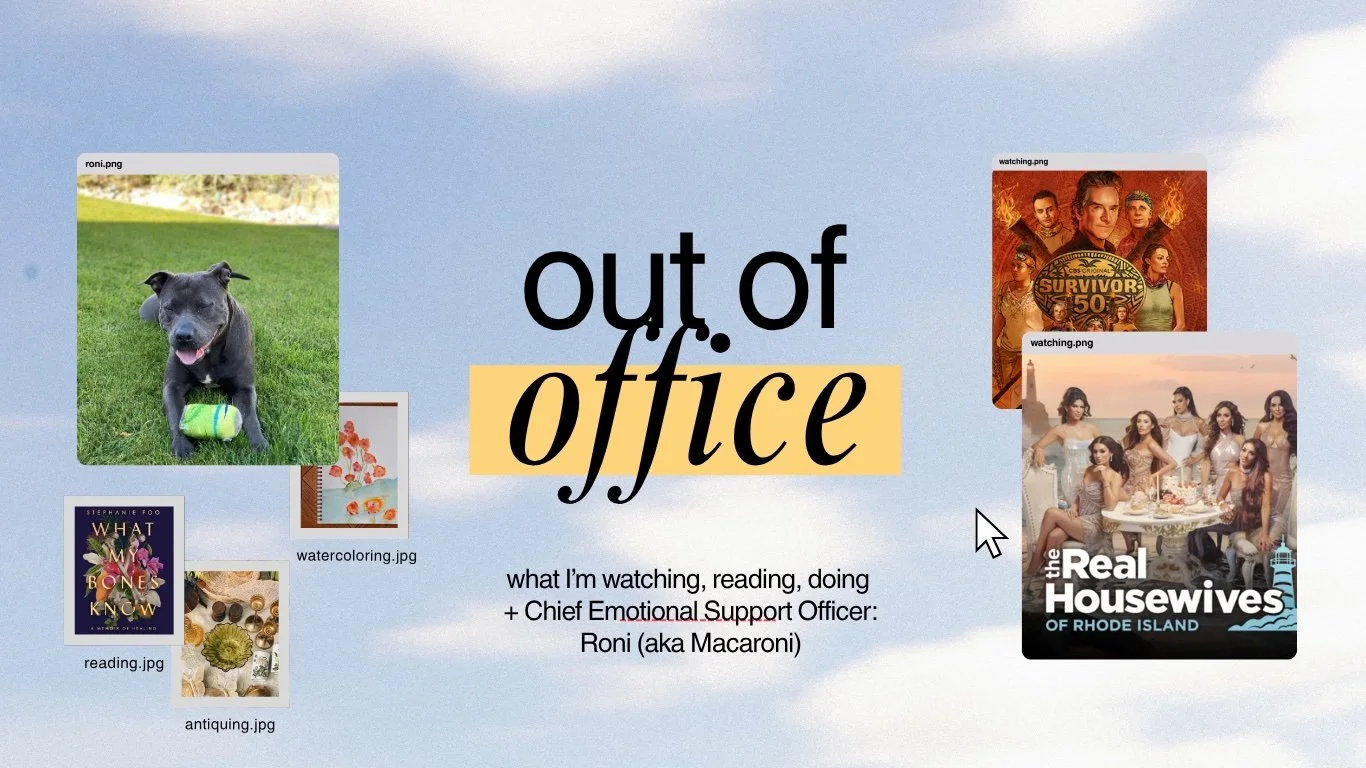
My Why
I get it — because I’ve been there. I’ve navigated career pivots that felt like starting over, friendships that quietly fell apart, complicated family dynamics that never quite healed, and the hardships of managing chronic illness. These aren’t just topics I know professionally —they’re part of my story too.
Therapy is an integral part of my life, not just as my career, but as a therapy client myself. I have the utmost appreciation for the vulnerability and investment therapy takes and for the immense impact it can have.
Therapy with me isn’t about perfecting the art of “healing” —it’s about real, messy, human connection that honors your story and helps you move forward.